
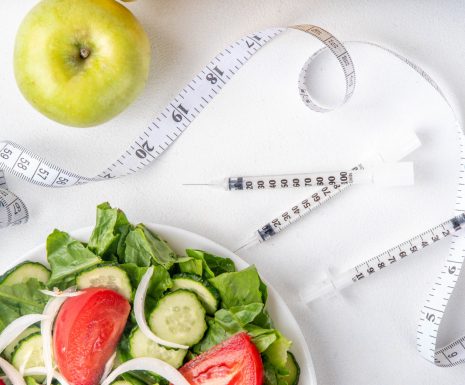

GLP-1 medications are changing the conversation around weight management—but medication is only part of the story. While GLP-1 medications can be powerful tools, they work best when they are part of a larger plan.
Whether you’re dealing with brain fog, fatigue, inflammation, poor recovery, digestive issues, mood changes, immune imbalance, or simply wanting to better understand how the brain and immune system shape long-term health, this 4-session online course provides a practical and comprehensive roadmap for rebuilding resilience.


For too long, confusion and outdated fears have left women without clear guidance on hormone therapy. For almost 25 years—ever since the Women’s Health Initiative was published in 2002—fear-based messaging has shaped the conversation, even as the science has steadily evolved. The problem is that conventional medicine has not evolved as quickly, leaving many women without access to the latest understanding of benefits and risks.
We all are aware at some level that cardiovascular health is a big issue. Heart disease is the leading cause of death in the United States; about 12% of adults have diabetes (and many of them don’t know it); approximately 1 in 3 of us have prediabetes, and the majority of us are completely unaware of that as well. These are sobering statistics. While cholesterol and blood sugar (glucose) are important lab markers that are often tracked by your doctor, that is often the extent of what is assessed in a standard approach. But did you know that half of all heart attacks occur in individuals who did not have an elevated cholesterol level? The conventional prevention strategy does not give us as clear an idea of all the tools available to assess our risk, nor does it dive deep into all the ways in which we can decrease our risk. What can you do about it? (We’re glad you asked.) We have some answers!

Overtime, many people will experience a metabolic imbalance. Metabolic imbalance refers to a disruption in the body's metabolic processes, resulting in suboptimal functioning and potential health complications. The body simply isn’t able to digest food and absorb energy properly.


